
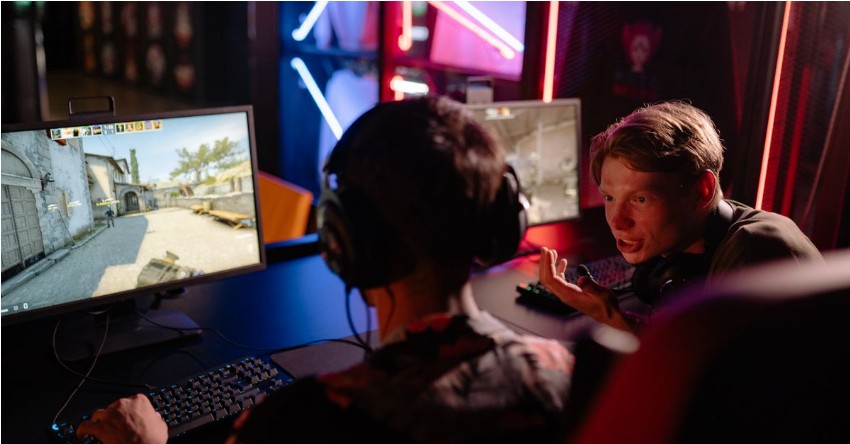
Why does online gaming feel less like a solo pastime and more like a social hangout these days? The answer is simple: players are not just moving through levels anymore, they are talking, planning, joking, and showing up for each other in real time.
What used to be a private activity on a screen now often looks a lot like a busy meeting place. Voice chat, text chat, shared missions, and live events all make play feel connected to people, not just code. That shift is why so many players keep returning, even when they are not chasing a score.
Online games also blur the line because they create routines. People log in to check on friends, compare progress, or take part in group activities that feel social in the same way a neighborhood basketball court does. In some circles, even names like bandot888 get passed around as part of everyday conversation, not as a headline, but as a small marker of the communities that form around play.
Play Is No Longer A Solo Activity
The first big reason is that modern online games are built around interaction from the start.
Shared Actions Create Shared Meaning
When players team up to finish a match, solve a problem, or defend a base, they are doing more than pressing buttons. They are coordinating timing, reading each other’s habits, and building trust through repeated action. That kind of cooperation gives the session a social shape, even if the players have never met offline.
Short Chats Turn Into Real Bonds
Small talk matters more than people expect. A quick hello before a match, a joke after a loss, or a message about school or work can slowly turn strangers into familiar names. Over time, those small moments create a feeling of belonging that keeps players coming back for the people as much as for the play itself.
Community Feels Built Into The Format
Another reason the line blurs is that games now act like social spaces with their own habits and rhythms.
Events Make People Show Up Together
Live events, seasonal changes, and group challenges give players a reason to return at the same time. That shared schedule feels similar to meeting friends for a weekly class or club. The activity matters, but the repeated contact is what turns it into community.
In that setting, bandot88 fits naturally as one of many names people may mention while swapping tips, talking about matches, or comparing how they spend time online with friends.
Identity Also Becomes Part Of Play
Players do not just perform in the game. They bring personality through usernames, avatars, preferred roles, and the groups they join. That self-expression makes the space feel social because people are seen through patterns of play, not just through words.
Why The Boundary Keeps Getting Softer
As the social side grows, the difference between playing and socializing keeps shrinking.
Shared Spaces Replace Separate Lobbies
Many players now stay in chat channels, group rooms, or party spaces long after a session ends. They talk about school, family, music, and plans for later. The game becomes the setting, but the conversation carries the real emotional weight.
Memory And Repetition Build Familiarity
People remember who revives them, who keeps calm under pressure, and who makes the group laugh. Those repeated experiences create social memory. That is why online gaming feels less like an isolated hobby and more like a community habit that happens to use play as its main activity.